Infrastructure as foundations
Every trillion-dollar industry on Earth rests on a layer of infrastructure: energy, compute, logistics. The space economy will be no different.
Large structures · Unfolded in orbit · Controlled
Every trillion-dollar industry on Earth rests on a layer of infrastructure: energy, compute, logistics. The space economy will be no different.
Space holds effectively unlimited energy and material resources. Harnessing them expands what humanity can do, in orbit and for Earth.
Falling launch costs and widening access to capability will expand the industry fast, unlocking applications that were uneconomical and unimaginable a decade ago.
Rapid iteration, extreme ownership and design for manufacturing drive costs down until new applications become economically viable.
Build the deployable infrastructure that underpins the space economy.
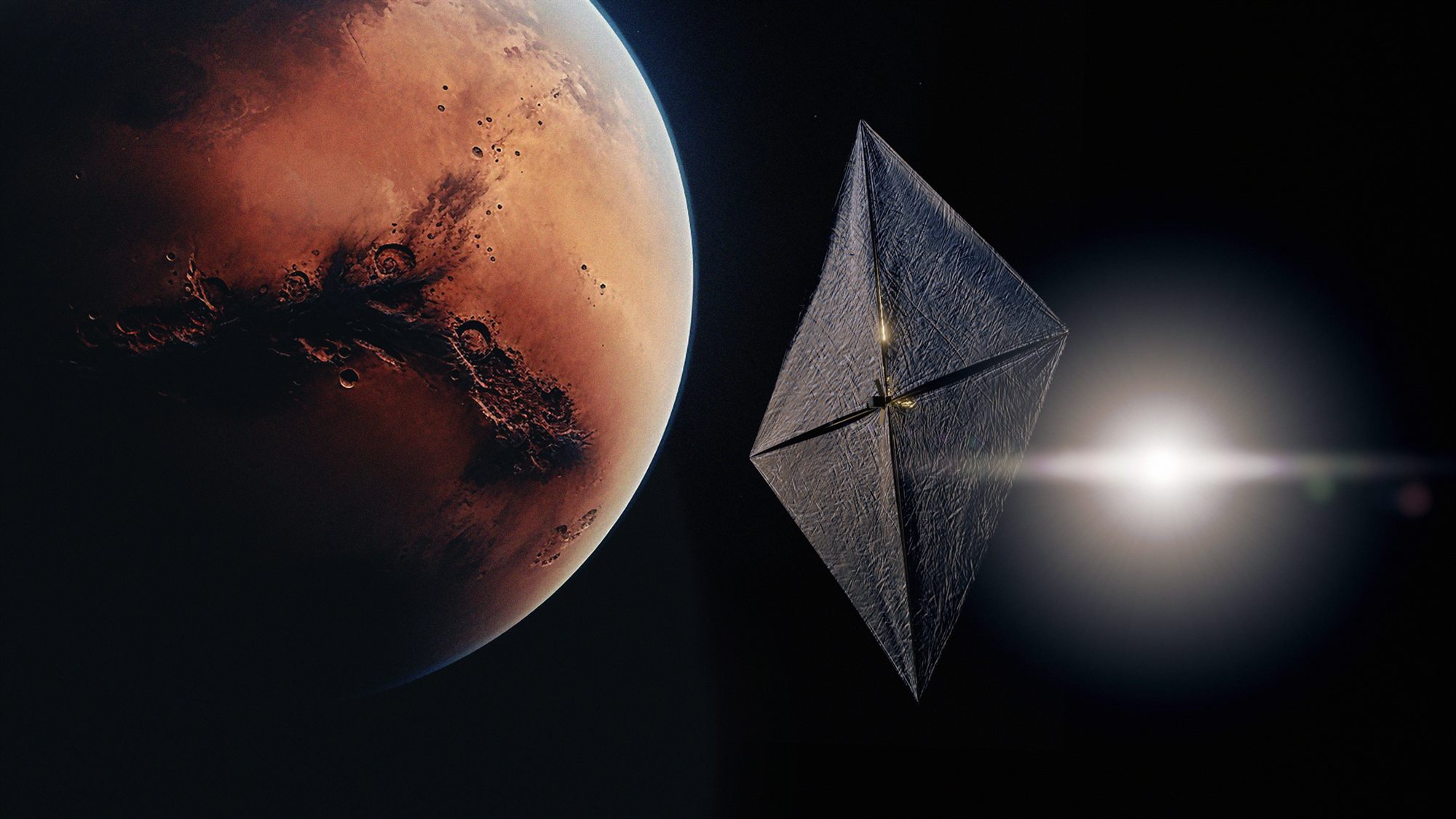
Solve humanity-scale problems from space, and reach the far solar system with solar sails at a fraction of today's cost.
Our roadmap starts with power and ends with propulsion. Each step funds and matures the technology of the next, until the structure itself becomes the engine.
First, Gama Wing: deployable solar arrays from 3 kW to over 100 kW, manufactured at scale. Then scale: more power per launch than any conventional bus can use. Then function: deployable structures that do more than generate power, such as antennas and radiators. And finally the solar sail: the structure itself becomes the engine.
We design, build and test under one roof in Paris. In-house deployment test rigs, vibration testing and cleanroom integration mean an iteration loop measured in days, not procurement cycles. Hardware moves from drawing board to test stand without leaving the building.
Every flight unit is acceptance-tested and deployed on the ground before it ships. Deployables get one chance in orbit; we spend ours on the floor first.
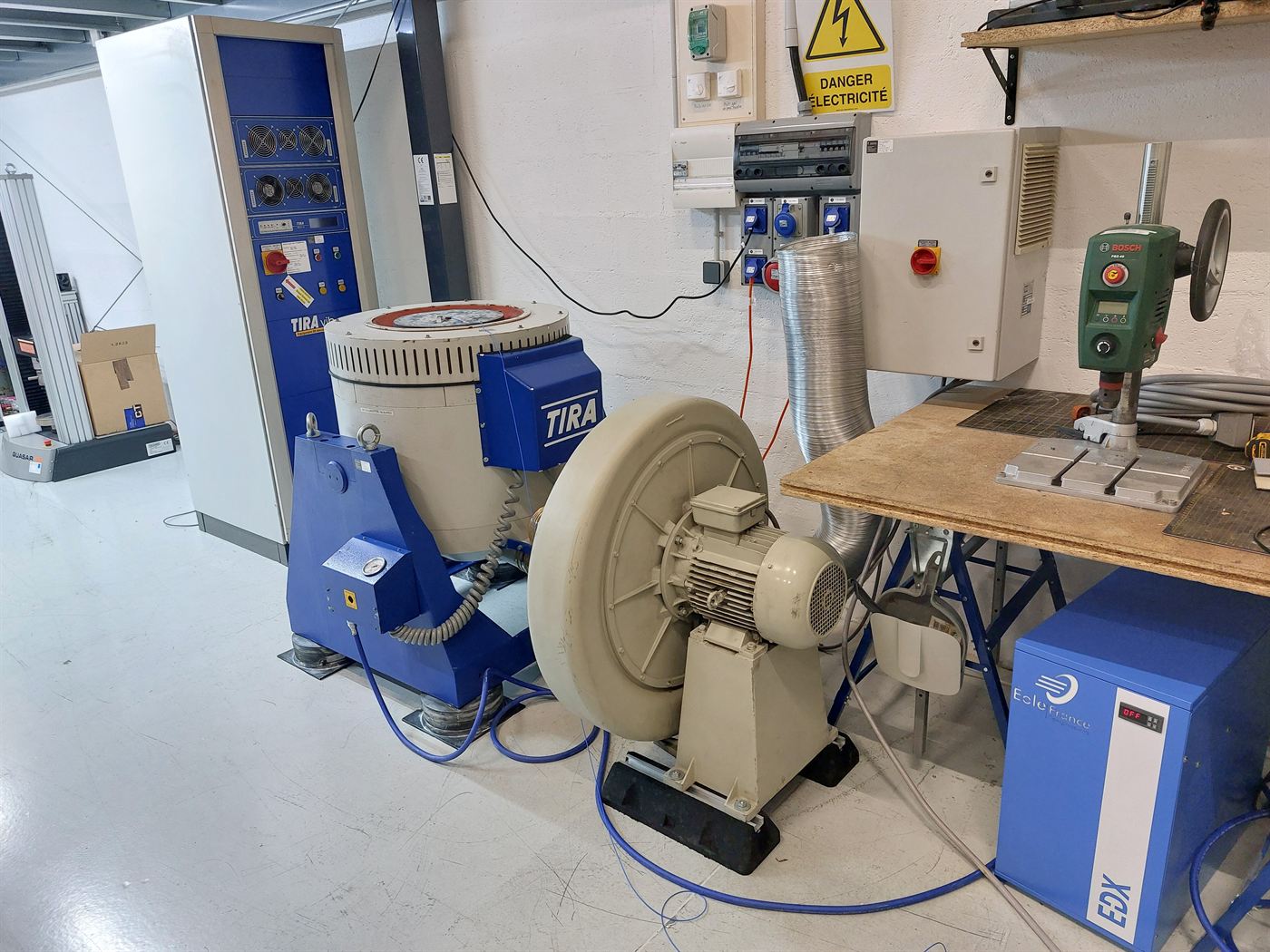 Photo — Vibration testingFIG. 05-A
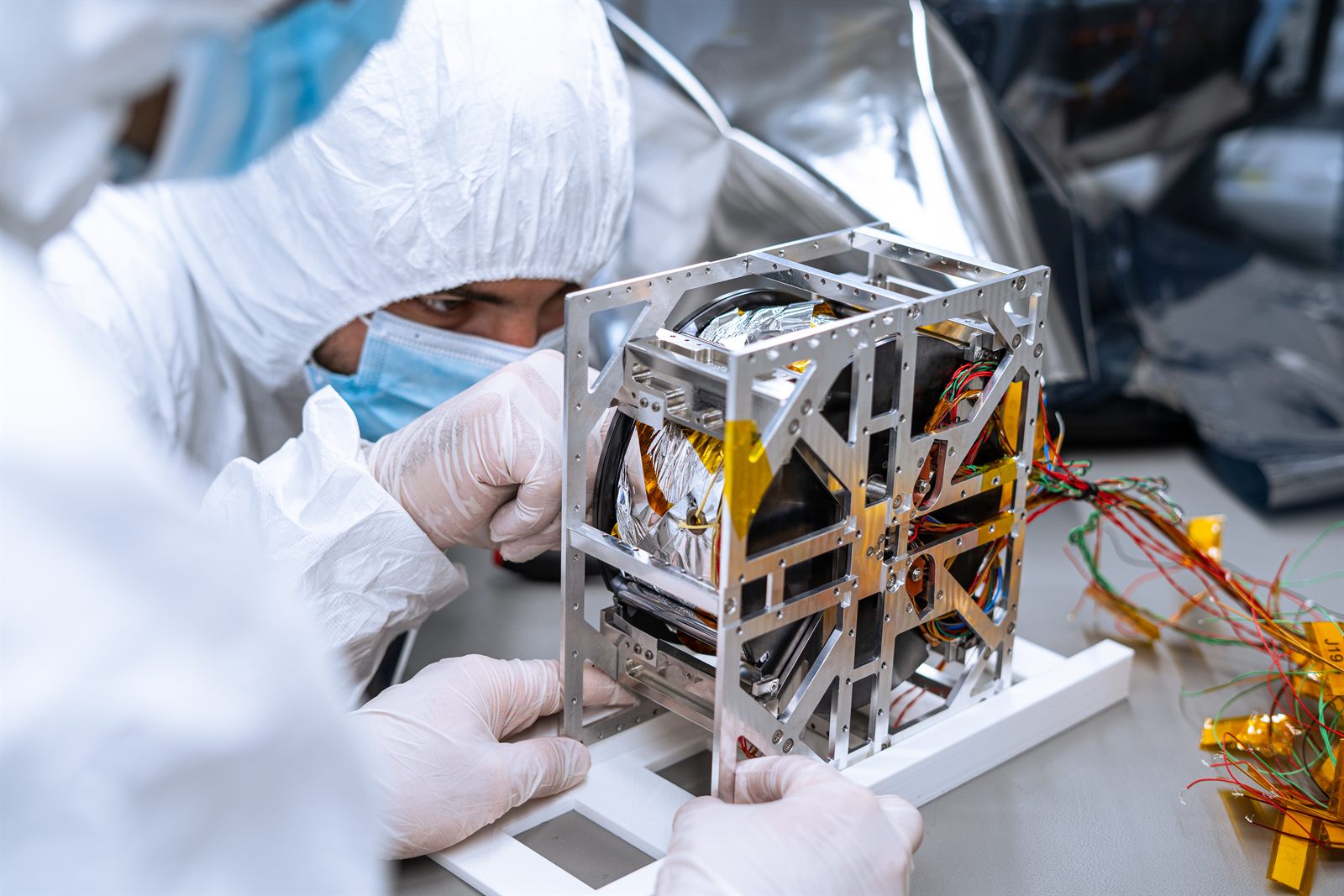 Photo — Cleanroom integrationFIG. 05-B
GAMA started with solar sails: large deployable membranes that use the pressure of sunlight itself for thrust. No propellant to carry, no fuel to run out. That opens orbits impossible to maintain any other way, and destinations too remote for anything that must haul its own fuel.
In two years, we designed, built and launched Gama Alpha, a 6U spacecraft carrying a 73 m² solar sail. Deployment in low Earth orbit failed due to an issue in the hold-down and release mechanism. The telemetry told us exactly what broke, and the mechanism was redesigned.
We began work on Gama Beta: launch above 1,000 km, beyond meaningful atmospheric drag, and demonstrate full solar sailing, moving a spacecraft meaningfully to a higher orbit on sunlight alone, for the first time in history.
MEANINGFULLY: A SIGNIFICANT CHANGE IN SEMI-MAJOR AXIS, ABSENT OF ANY DRAG EFFECT.
As agency priorities shifted toward nearer-term objectives, we applied the same core technology, deployable membranes and their control, to Astrobrake: a drag sail for end-of-life deorbit. Astrobrake is on hold pending regulatory developments enforcing end-of-life disposal reliability.
Today those learnings help us build Gama Wing. Sailing forced us to solve the harder half of the problem: controlling large flexible structures in orbit. A membrane many times larger than its spacecraft flexes, oscillates, and needs to be manoeuvred precisely. The application found its market.
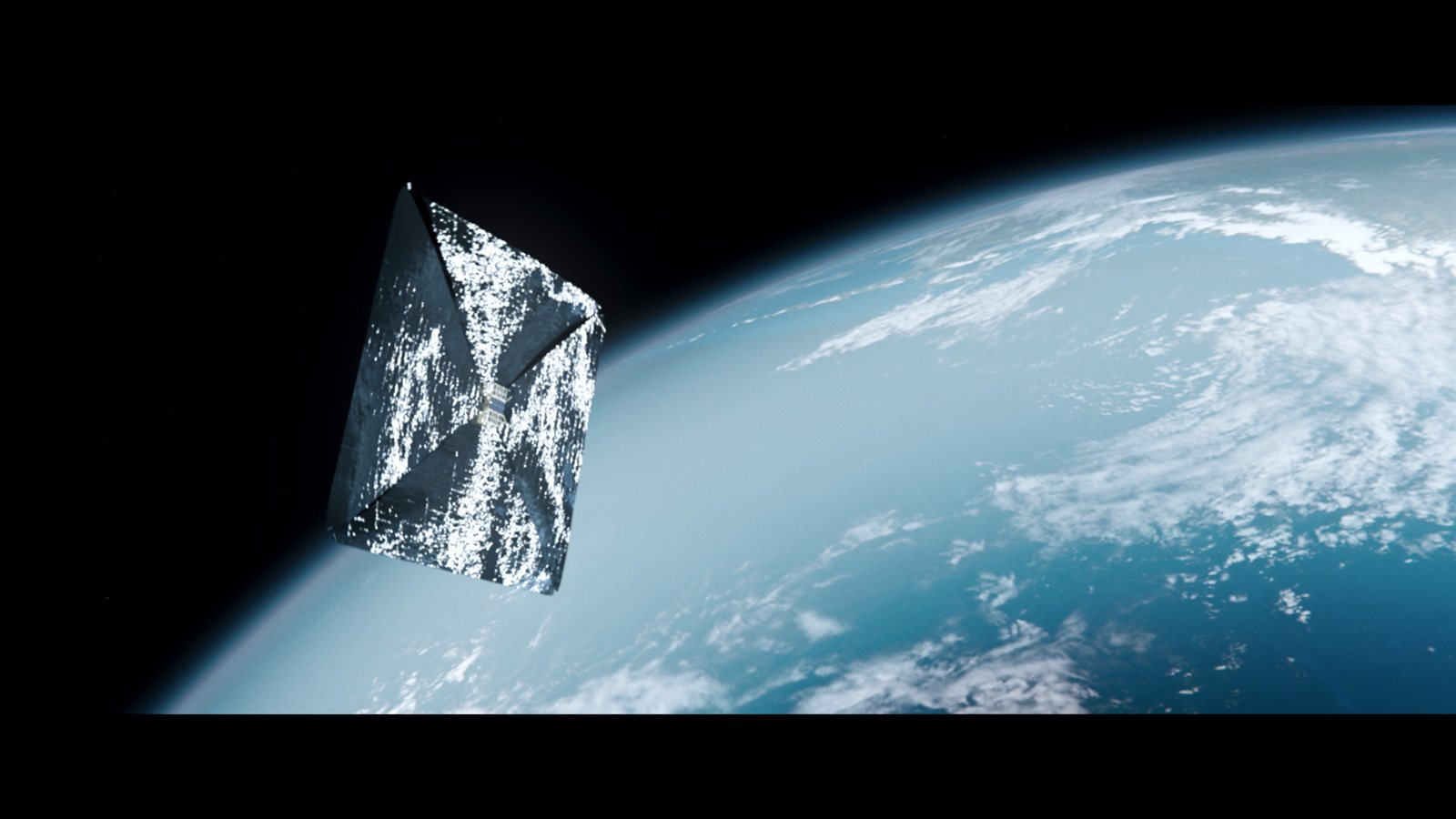 Render — Gama Alpha with sail deployedFIG. 06-A
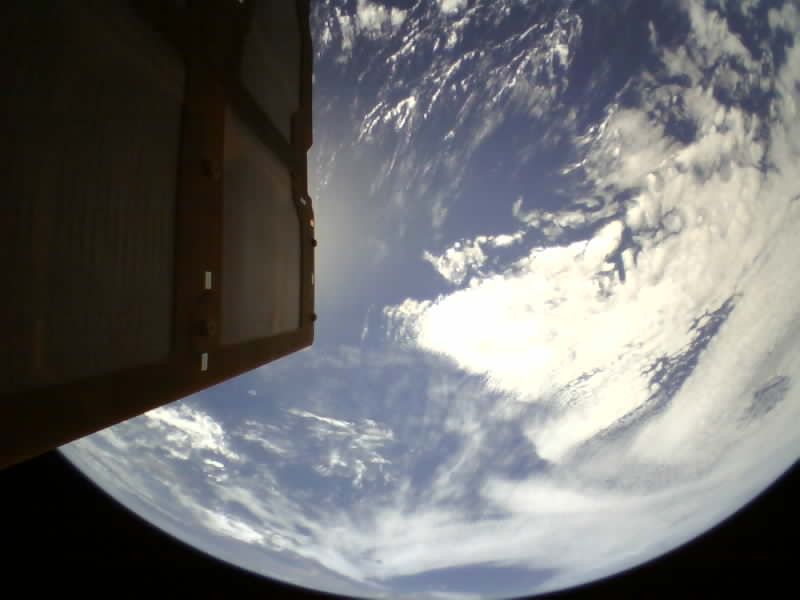 Photo — Folded sail detailFIG. 06-B
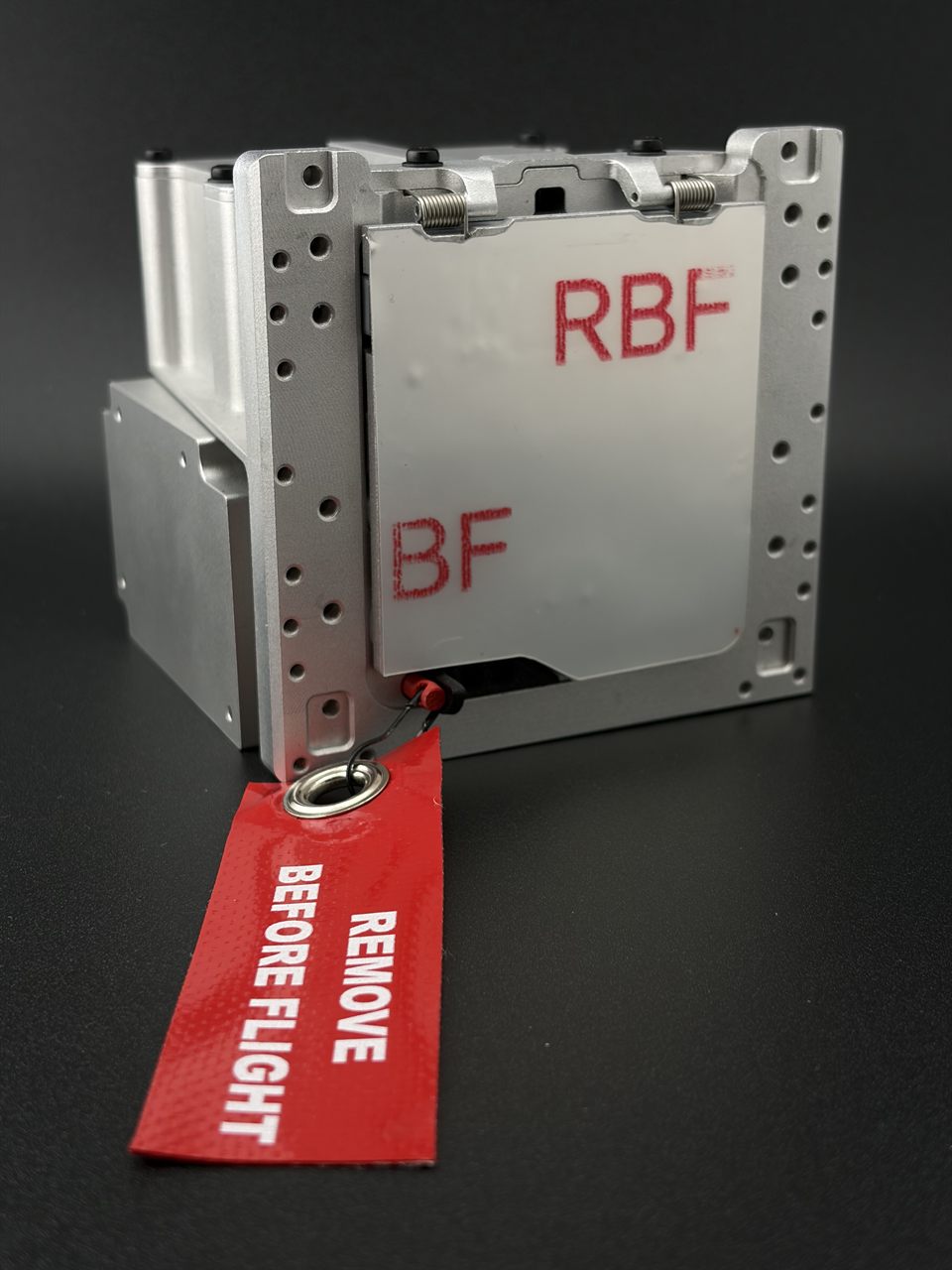 Photo — Astrobrake flight unitFIG. 06-C
95%OF THE SOLAR POWER IN ORBIT · ONE COMPANY
Built on a vertically integrated supply chain no one else can buy from.
Vertical integration solved power for one company.
A specialised mass-production partner solves it for everyone else.
We are building it.
SHARE OF CUMULATIVE ORBITAL SOLAR CAPACITY · GAMA ESTIMATE · METHODOLOGY AVAILABLE ON REQUEST